
For most standard business networks, Cat6 is still a sensible choice. It supports everyday office connectivity, desk points, phones, printers and many general network devices. Cat6A is the better option when you want more long-term headroom, longer 10 Gbps capability, higher-density cabling or a stronger foundation for connected systems such as CCTV, access control and wireless access points.
That is the simple & direct answer. The right choice depends on the building, cable run lengths, performance requirements, budget, network equipment and how long you expect the installation to serve the business. The mistake is choosing purely on cable price without considering the disruption of re-cabling later.
Electronic Security Protection helps businesses plan and install structured cabling, network cabinets and supporting infrastructure for offices, warehouses, workshops and commercial premises.
What Are Cat6 and Cat6A Cables?
Cat6 and Cat6A are twisted-pair copper network cables used to connect computers, phones, wireless access points, CCTV cameras, access control equipment, switches and routers.
What Is Cat6?
Cat6 is widely used in business premises because it is practical, familiar and suitable for many gigabit networks. It is often used for desk outlets, phones, printers, access points and general office connectivity.
Where Cat6 Usually Fits Best
Cat6 is often a good fit for small offices, refurbishments, budget-conscious installations and premises where 1 Gbps network performance is enough for the foreseeable future.
What Is Cat6A?
Cat6A is an enhanced cable category designed to support higher-performance networks over longer distances. It is commonly chosen where the business wants extra headroom, stronger 10 Gbps capability across a full channel and better performance in higher-density installations.
Where Cat6A Usually Fits Best
Cat6A is often the better choice for new fit-outs, larger premises, comms rooms, high-density cabling, long cable routes, Wi-Fi upgrades, CCTV-heavy sites and businesses planning for future network demand.
The Main Difference Between Cat6 and Cat6A
The biggest practical difference is performance over distance. Cat6 is commonly used for gigabit networks and can support higher speeds over shorter runs. Cat6A is designed to provide stronger high-speed performance over longer runs when the whole cabling channel is specified and installed correctly.
Speed And Distance
IEEE 802.3an covers 10GBASE-T and specifies 10 Gb/s operation over balanced twisted-pair structured cabling systems up to 100 metres. IEEE describes 10GBASE-T as a LAN interconnect for up to 100 metres of balanced twisted-pair cabling.
Why This Matters In A Real Building
Routes may travel up walls, through ceiling voids, around corridors and back to a cabinet. Cat6A gives more headroom when longer runs or future bandwidth needs are likely.
Bandwidth And Interference
Cat6A is built for higher frequency performance than Cat6 and is generally better suited to dense cable runs where interference and alien crosstalk are more of a concern.
Why Dense Cable Runs Matter
In a comms room, cabinet or large office fit-out, dozens of cables may run together. Installation quality, separation, labelling and cable management all become more important.
Cost And Installation Practicalities
Cat6A usually costs more than Cat6 and can take longer to install because it is thicker, stiffer and more demanding to route and terminate neatly. The decision should be based on the whole project, not just the cable price.
When Cat6 May Be More Cost-Effective
Cat6 may be better value where the business has standard office requirements, shorter cable runs, limited budget and no realistic need for 10 Gbps performance across the building.
Good Cat6 Use Cases
- Small office networks with standard workloads
- Desk points, phones and printers
- Simple refurbishments where budget is important
- Premises where cable routes are short and easy to access
When Cat6A May Be Worth The Extra Cost
Cat6A may be worth specifying where re-cabling later would be disruptive, the building is being fitted out for long-term use or the network will support higher-density equipment.
Good Cat6A Use Cases
- New commercial fit-outs
- Longer cable routes back to a comms cabinet
- High-density office or warehouse networks
- Sites with CCTV, access control and multiple wireless access points
- Businesses planning for faster network equipment later
How Cat6 and Cat6A Affect CCTV, Wi-Fi and Access Control
Network cabling is not just for desktop computers. Modern commercial premises often rely on cabling for connected security and infrastructure systems.
CCTV Cameras
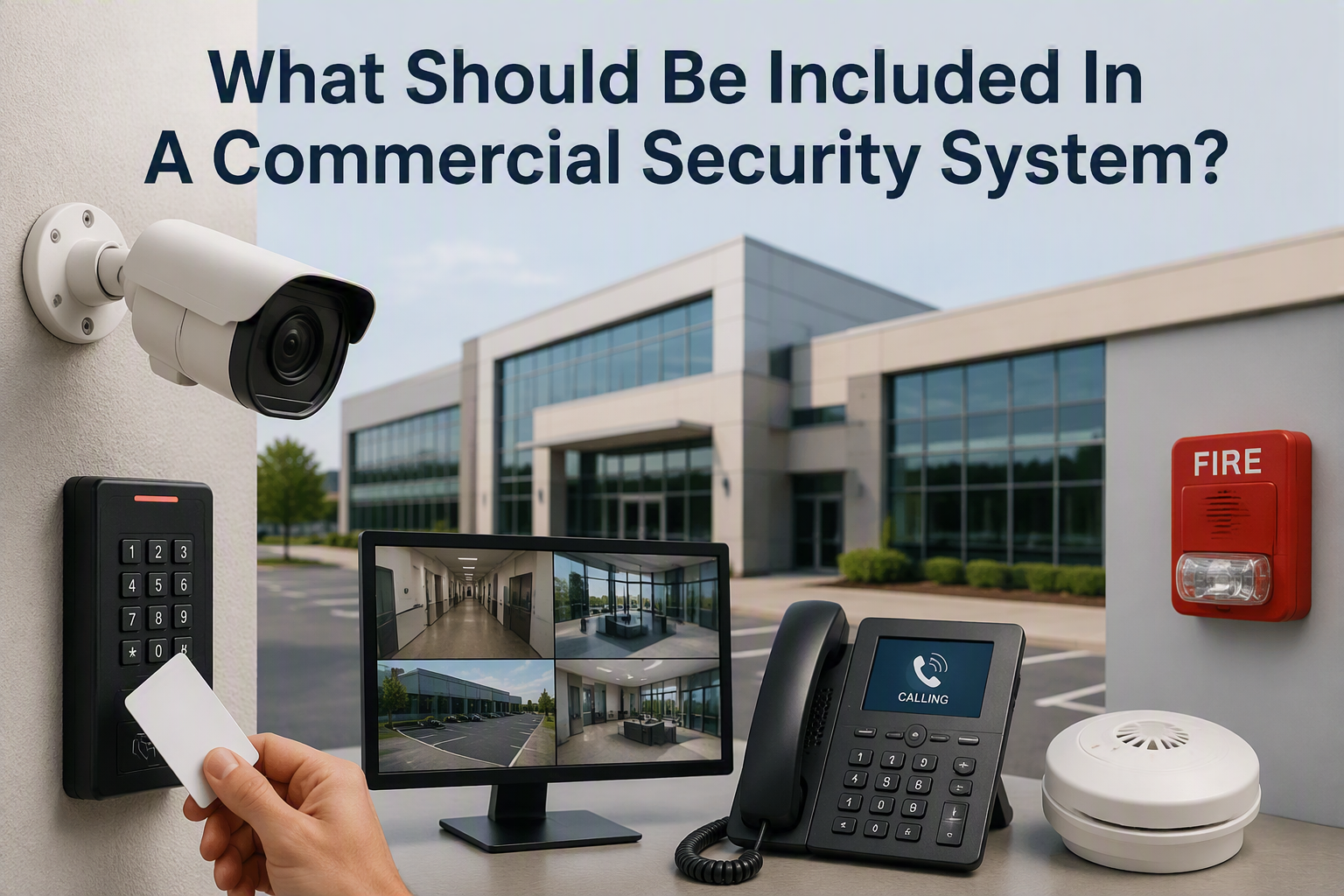
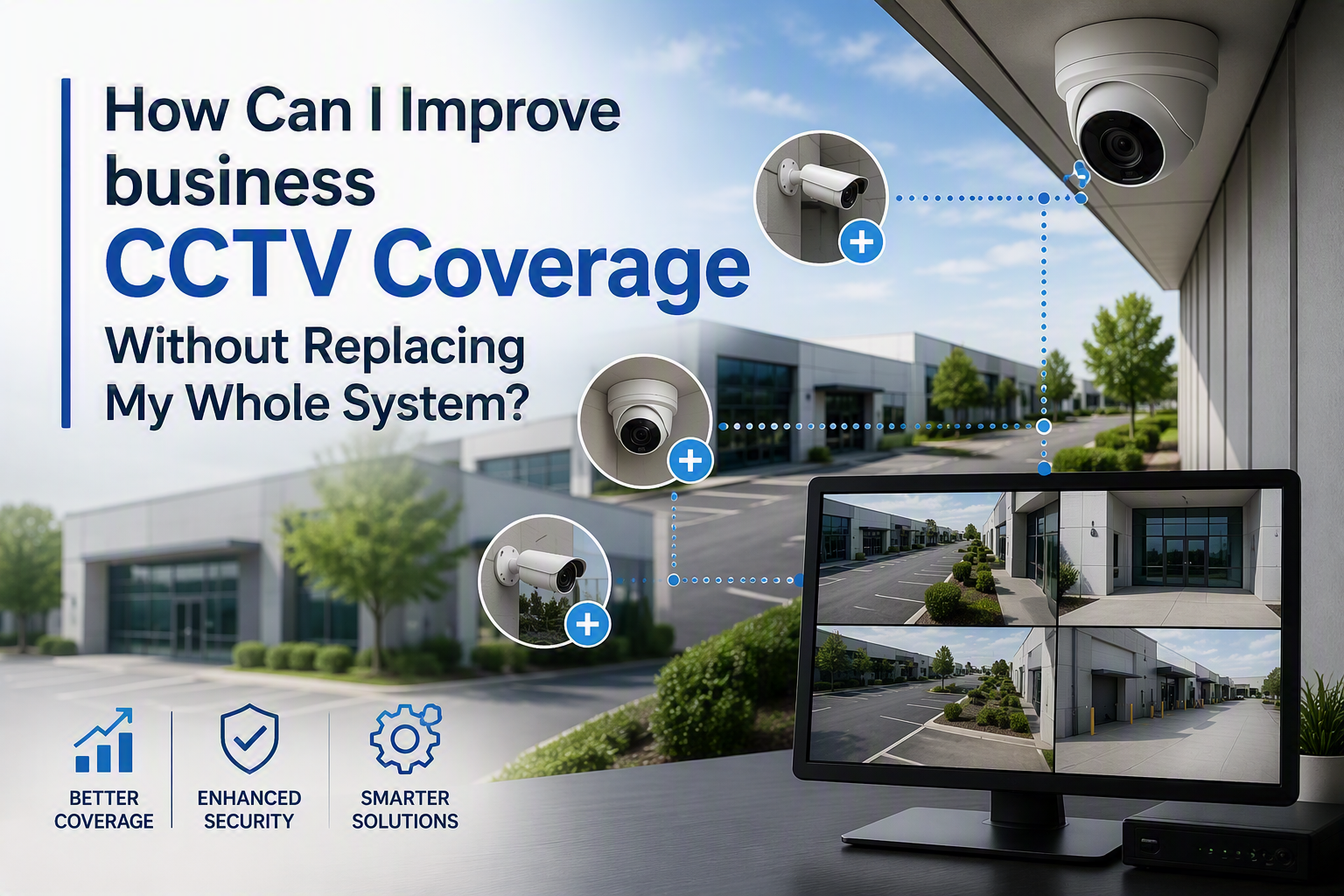
IP CCTV systems may use network cabling to connect cameras, recorders, switches and remote viewing equipment. Electronic Security Protection provides business CCTV systems for commercial premises.
Planning For Camera Growth
If the business expects to add more cameras later, the cabling plan should allow for cabinet space, switch capacity, cable routes and labelling.
Access Control
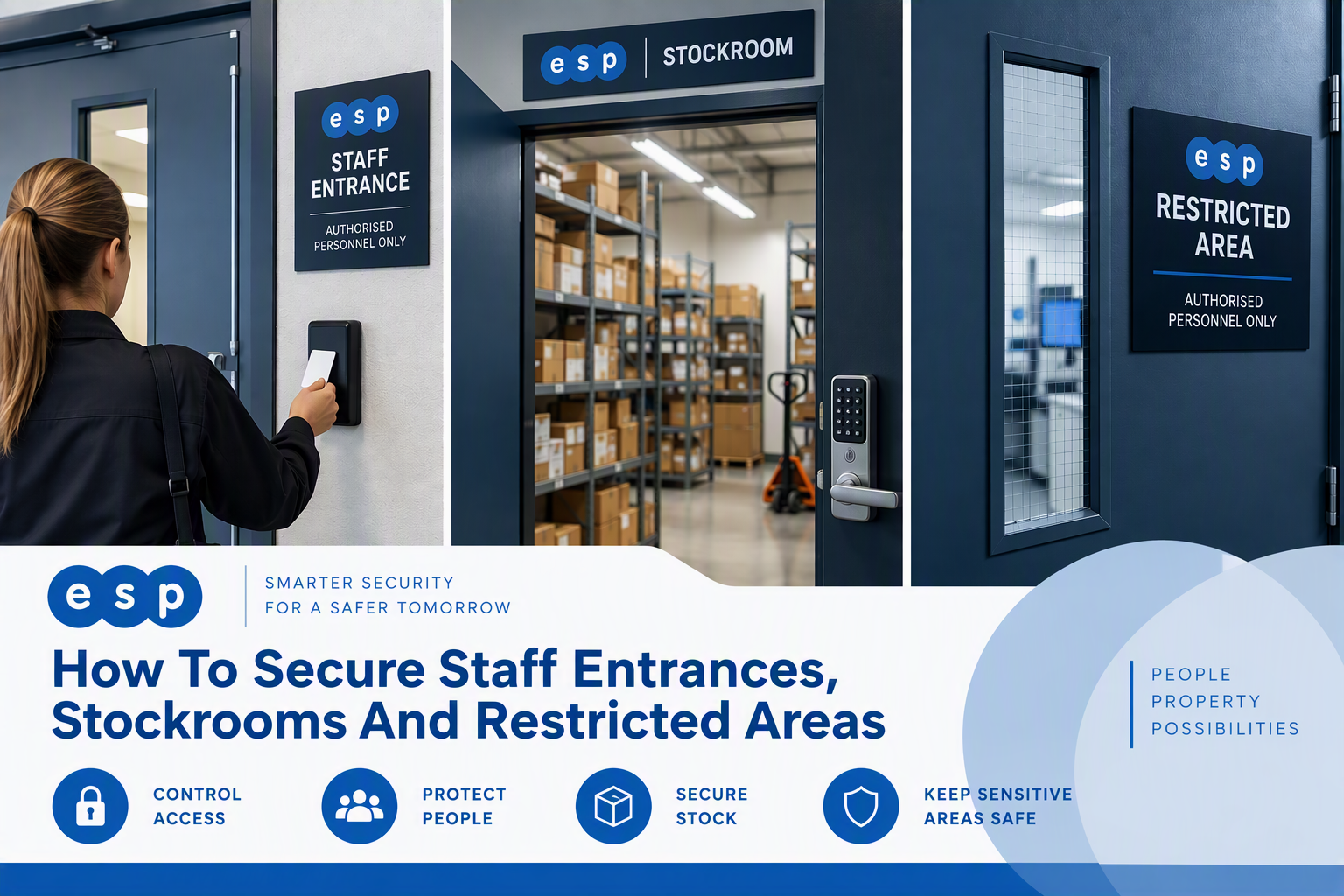
Access control systems may also depend on reliable cabling and network equipment. Electronic Security Protection installs access control systems for businesses that need controlled doors, permissions and audit trails.
Controlled Doors And Restricted Areas
Staff entrances, stockrooms, offices, server rooms and restricted areas may all need reliable connections. Poor cabling or unclear labelling can make future fault-finding much harder.
Wireless Access Points
Business Wi-Fi still needs wired infrastructure behind it. Access points usually need cabling back to a switch, and some sites may also need a point-to-point wireless link for separate buildings or remote areas.
Why Wi-Fi Still Depends On Cabling
Wireless access only works well when the wired network behind it is planned properly. Cabling, switch capacity, power and cabinet layout all affect the final setup.
Compatibility And Testing
Cat6 and Cat6A components can sometimes be mixed physically, but doing so may limit performance. The installed channel should be specified consistently if the business wants the system to perform to a particular category.
Use Matching Components
A cabling channel includes more than the cable itself. Patch panels, modules, outlets, patch leads and termination quality all affect performance. If Cat6A performance is required, the supporting components also need to be suitable.
Do Not Judge By Cable Alone
A reel of Cat6A cable does not automatically create a Cat6A network. The whole route, termination, testing and connected components matter.
Test And Label Every Run
Testing and labelling are essential. Each cable run should be identified clearly so future changes, faults and additions can be handled quickly.
Why Documentation Helps Later
Good documentation reduces the time needed to trace faults, move desks, add cameras or change equipment in the comms cabinet.
Network Security Still Matters
Cabling choices affect performance, but they do not replace good network design. Connected devices such as cameras, access control systems, switches and wireless access points should be planned securely.
Segment Important Systems Where Appropriate
The NCSC network security fundamentals guidance explains that network segmentation means breaking a network down into smaller networks. This can be useful where business systems, guest Wi-Fi and security devices should not all sit together without controls.
Practical Example
A business may not want CCTV cameras, office computers and guest wireless traffic treated in exactly the same way. Cabling and cabinet planning should support sensible network design.
Cat6 vs Cat6A Decision Checklist
Choose Cat6 When
- You need a cost-effective option for standard business networking
- Most requirements are desk points, phones and general office devices
- Gigabit performance is enough for the foreseeable future
- Cable routes are short and the installation needs to remain flexible
Choose Cat6A When
- You are fitting out a building for long-term use
- You want stronger 10 Gbps headroom over longer runs
- The network will support high-density devices, CCTV or Wi-Fi upgrades
- Re-cabling later would be expensive or disruptive
- You want more room for future network equipment
Final Practical View
For a straightforward small office, Cat6 may be completely suitable. For a new commercial fit-out, larger premises or a site that will rely heavily on connected systems, Cat6A is often the better long-term investment.
Can Electronic Security Protection advise on the right cabling?
Yes. Electronic Security Protection can review your premises, cable routes, network requirements and connected systems before recommending the right approach.
Talk To Electronic Security Protection About Business Cabling
Cat6 and Cat6A can both be good choices when they are specified for the right situation. The important part is planning the cabling around the building, the equipment and the future needs of the business.
Call 0330 2020118 or contact Electronic Security Protection to discuss structured cabling, comms cabinets and network infrastructure for your premises.