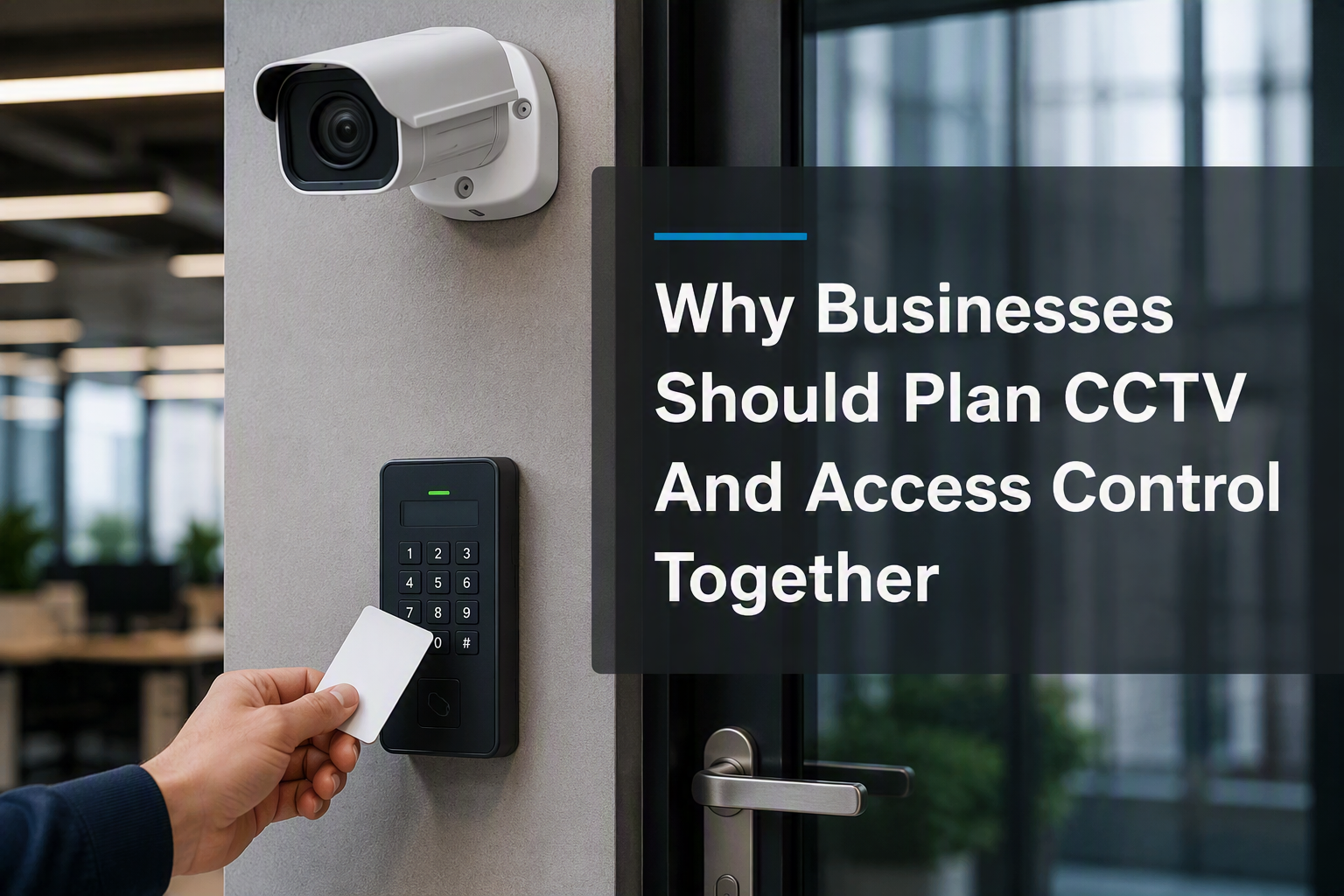
Businesses should plan CCTV and access control together because the two systems protect different parts of the same security problem. Access control manages who can enter a building, door or restricted area. CCTV helps show what happened around that access point. When both are planned at the same time, the result is usually cleaner, more practical and easier to manage than two separate installations.
That is the direct answer. A door reader on its own can show that a fob was used, but it cannot confirm whether someone followed behind. A camera on its own can record an entrance, but it cannot manage who is allowed through the door. Together, the two systems give businesses better visibility, stronger control and clearer evidence when something needs to be reviewed.
Electronic Security Protection helps businesses plan practical security and infrastructure around real premises, including CCTV, access control, data cabling, wireless links and supporting network equipment.
What Do CCTV And Access Control Each Do?
CCTV and access control are sometimes treated as separate projects, but they often protect the same parts of a premises.
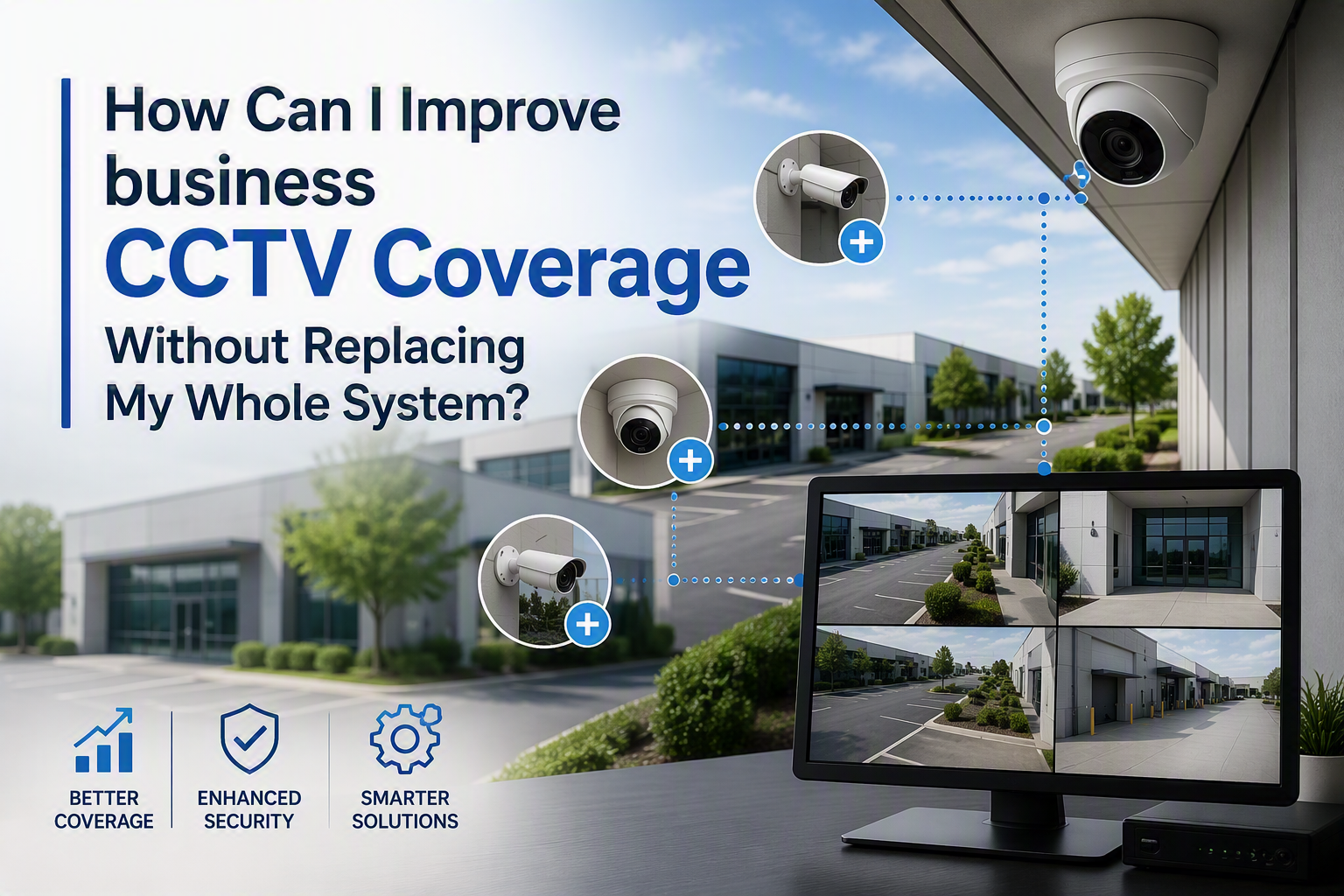
Commercial CCTV systems help monitor entrances, reception areas, stockrooms, yards, loading bays, offices, car parks and external boundaries. Cameras can deter unwanted behaviour and provide useful footage after an incident.
Access control systems manage who can enter specific doors or areas. Electronic Security Protection installs and supports Paxton Net2 access control systems for commercial premises, including cards, fobs, PIN readers, electronic locks, permissions and audit trails.
Why Separate Installations Can Cause Problems
Many businesses install CCTV first, then add access control later. Others do the opposite. Both approaches can create avoidable problems if the systems are designed in isolation.
Cameras may not cover the doors that later become controlled access points. Cable routes may have to be reopened. Network switches may not have enough capacity. The data cabinet may become untidy. Staff may have to use disconnected systems that make incident review slower than it needs to be.
Planning both systems together does not mean every part must be installed at once. It means the overall design considers entrances, restricted areas, camera positions, access points, cabling, network equipment and future expansion before work begins.
Better Visibility At Doors And Restricted Areas
Access control tells you that a door was used. CCTV helps show what happened around that door. This is especially useful for staff entrances, stockrooms, server rooms, offices, plant rooms, loading bays and other restricted areas.
For example, an access log may show that a fob was used at a stockroom door at 8.42pm. A nearby camera can help confirm whether the authorised person entered alone, whether someone followed them in, or whether the door was held open.
This is where integrated planning is valuable. Each controlled access point should be considered alongside the camera coverage around it, so the business does not end up with audit logs that cannot be verified visually.
Fewer Blind Spots Around Key Areas
Good CCTV is not just about adding more cameras. It is about positioning them where they support a clear purpose. When access control and CCTV are planned together, camera placement can be based on real site activity rather than guesswork.
Useful areas to review include main entrances, staff doors, reception routes, car parks, stockrooms, yards, loading areas and rooms where access should be limited. For sites with vehicles and pedestrians, the layout also needs to remain safe. HSE guidance on workplace transport highlights the importance of separating pedestrians and vehicles where safety could be affected.
Cleaner Cabling And Network Planning
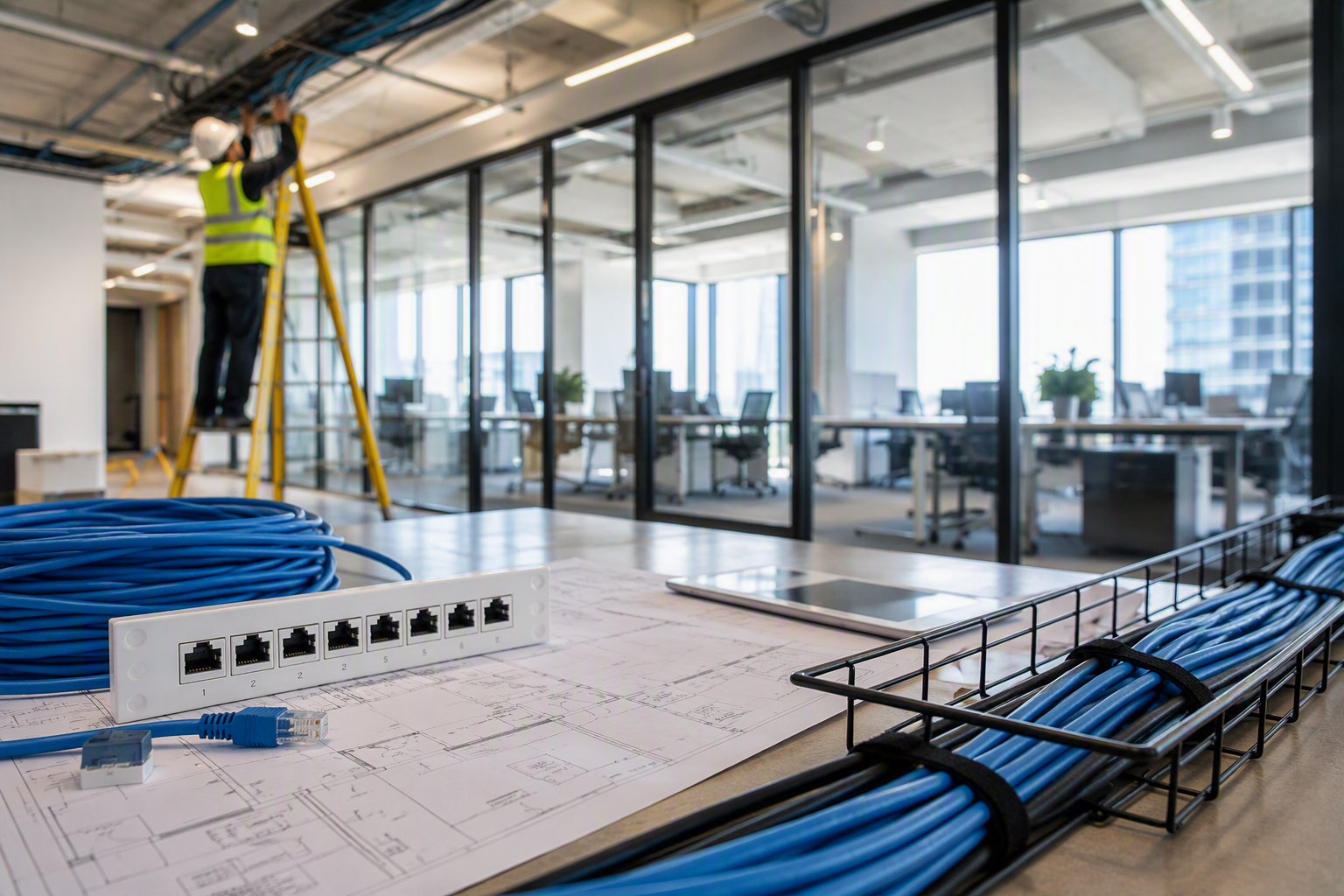
Modern CCTV and access control systems often depend on the same underlying infrastructure. IP cameras, door controllers, readers, intercoms, network video recorders, switches and wireless access points may all need cabling, power and cabinet space.
Electronic Security Protection provides structured data cabling for commercial premises, including Cat5e, Cat6, Cat6A and fibre optic cabling. When cabling is planned early, cameras and access control equipment can be installed with better cable routes, clearer labelling and more organised network cabinets.
This matters for future support. A tidy installation is easier to test, maintain and expand. It can also reduce disruption because the same areas of the building do not need to be revisited by different contractors for separate systems.
Stronger Incident Review
When an incident happens, the business needs to find the relevant information quickly. Access control logs can help narrow the timeline. CCTV footage can show the surrounding activity.
Typical review questions include: which door was used, which credential was presented, what time did it happen, was anyone else nearby, and did the camera capture useful footage? Planning systems together makes these questions easier to answer.
This is one reason why businesses often benefit from reviewing the benefits of CCTV and access control as a joined-up project rather than as two unrelated purchases.
Better Security For Different Business Areas
Different areas of a premises usually need different levels of control. A reception area, office, stockroom, server room, warehouse, workshop and loading bay should not all be treated the same way.
Staff entrances may need access control and camera coverage at busy times. Stockrooms may need restricted permissions and CCTV around the door. Yards and loading bays may need external cameras, lighting and controlled access for gates or doors. Offices may need access control for private rooms, shared entrances or areas containing sensitive information.
The best design starts with how the site is used day to day. It should reflect staff movement, visitor routes, delivery access, shift patterns, out-of-hours use and any future changes the business is already planning.
Privacy And Data Protection Need To Be Planned
CCTV should be installed for a clear purpose and managed responsibly. UK organisations using surveillance systems need to consider data protection, signage, access to footage, retention and how requests for footage will be handled.
The ICO provides guidance for organisations using CCTV and video surveillance. It explains the need to assess, manage and explain surveillance use rather than simply installing cameras wherever possible.
Access control data also needs sensible management. Permissions, logs and user accounts should be controlled, protected and reviewed regularly.
Network Security Also Matters
Connected security systems are part of the wider business network. Cameras, access control software, remote viewing, recorders and management devices should be configured with security in mind.
The NCSC network security fundamentals guidance highlights the importance of understanding network architecture and using approaches such as segmentation where appropriate. For security systems, this means avoiding a setup where every device is treated the same way.
Can CCTV And Access Control Be Rolled Out In Phases?
Yes. Planning together does not always mean installing everything at the same time. A phased rollout may be sensible for multi-building sites, live premises or budget-led projects.
The important point is to design the end goal first. For example, you might start with main entrances and stockrooms, then add loading bays, car parks and additional restricted areas later. If the cabling, cabinets and network equipment are planned properly, later phases are easier to add.
Checklist For Planning CCTV And Access Control Together
- Map entrances, staff doors, visitor routes and restricted areas
- Decide which doors need controlled access
- Check whether cameras cover the areas around those doors
- Review yards, car parks, loading bays and external boundaries
- Plan data cabling, switches, cabinets and power requirements
- Consider permissions for staff, contractors and visitors
- Agree how footage and access logs will be reviewed
- Check CCTV signage, retention and data protection responsibilities
- Plan future phases before the first installation starts
CCTV And Access Control FAQs
Should CCTV and access control be installed together?
They do not always need to be installed at exactly the same time, but they should be planned together so cameras, doors, cabling and network equipment support the same security goals.
Can access control show who entered a restricted area?
Yes. Access control can record which credential was used and when. CCTV can then provide visual context around the door or nearby area.
Does every access-controlled door need a camera?
Not always. Camera placement should be based on risk, privacy and operational need. However, important entrances and restricted areas often benefit from nearby CCTV coverage.
Can Electronic Security Protection install both systems?
Yes. Electronic Security Protection can install commercial CCTV, Paxton Net2 access control, structured data cabling and the network equipment required to support the installation.
Do CCTV systems have legal requirements?
Businesses using CCTV should consider data protection responsibilities, signage, access to footage and retention periods. The exact requirements depend on how and why the system is used.
Talk To Electronic Security Protection About Integrated Security Planning
CCTV and access control work best when they are planned around the same building, users and risks. A joined-up approach can improve visibility, reduce duplicated work and make the final system easier to manage.
Electronic Security Protection can help businesses plan and install commercial CCTV, Paxton Net2 access control, data cabling and supporting network infrastructure for offices, warehouses, workshops, retail premises and commercial buildings.
Call 0330 2020118 or contact Electronic Security Protection to discuss your premises and request a quotation.